
The library
Resources
Practices, texts and writing on classical yoga — everything in one place.
Latest writing
Longevity
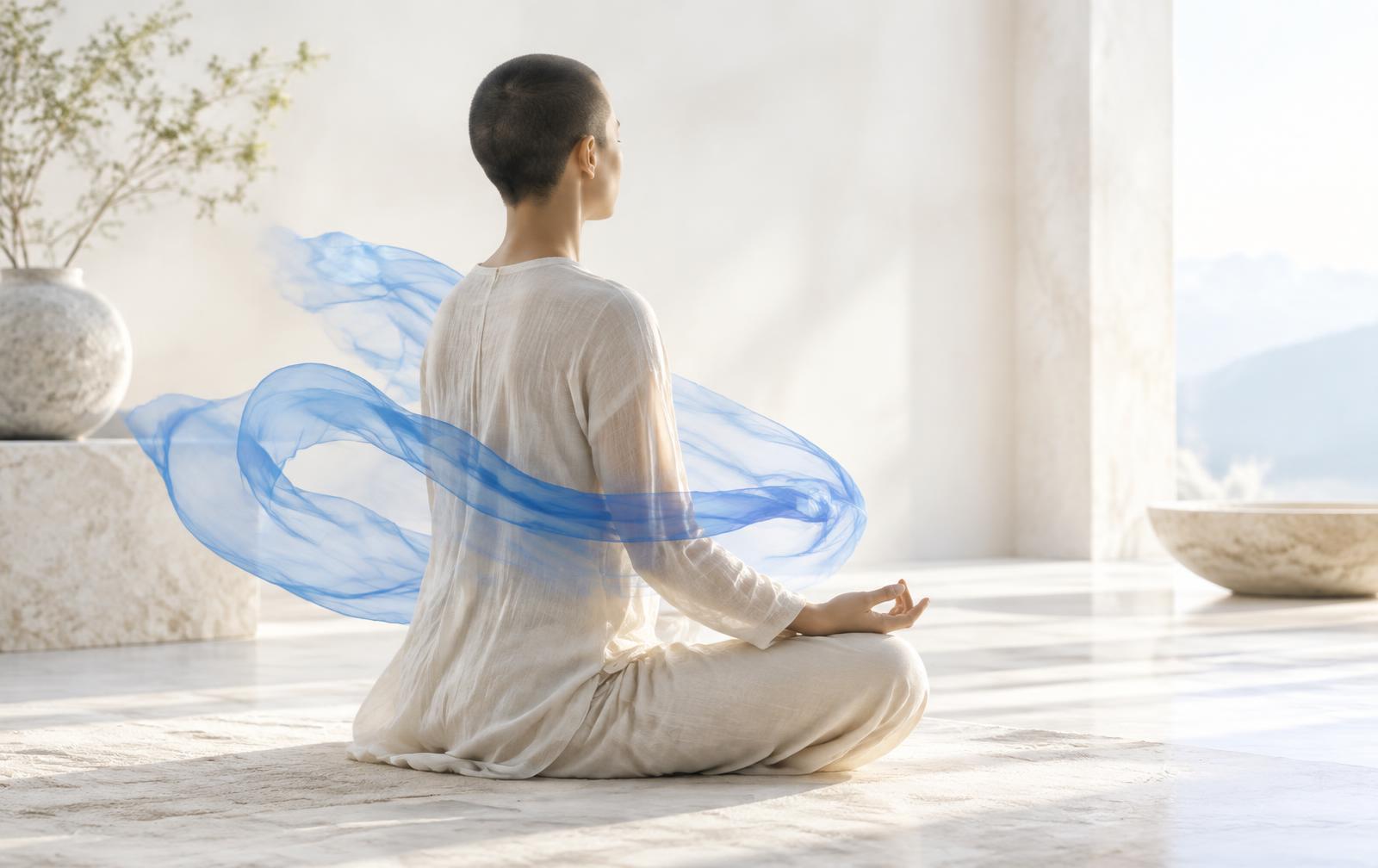
Yoga for Longevity: What Breath, Movement, and the Evidence Really Tell Us
Can yoga help us age well? A careful look at slow breathing, movement, stress, sleep, and one founder’s striking—but limited—biological-age result.
Oral care
Tongue Scraping: What It Does, What the Evidence Says, and How to Do It Safely
A careful guide to tongue scraping, oral freshness, tongue coating and safe technique—separating plausible benefits from claims the research does not support.
Practice
Beginning Pranayama Without Forcing the Breath
The Gheranda Samhita is careful about how breath practice begins. Here is what that caution is protecting.
Philosophy
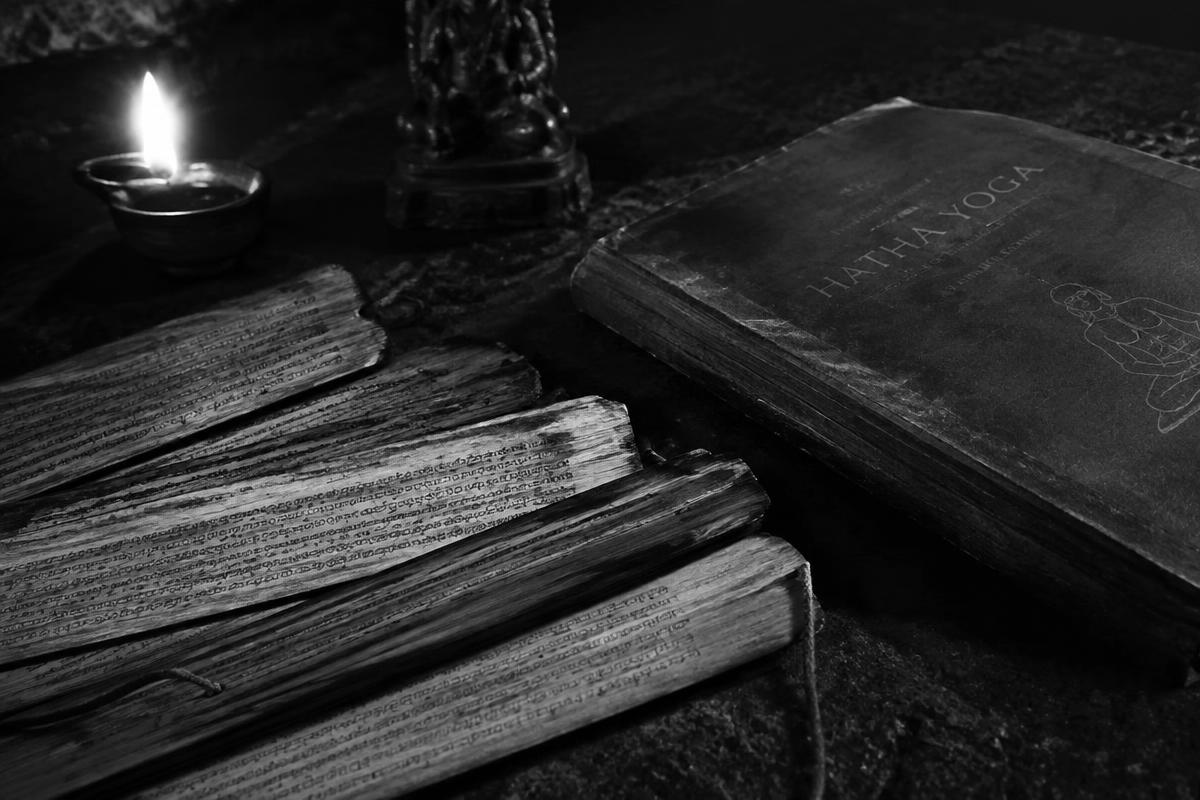
The Eight Limbs of Patanjali, In Plain Language
A clear, unembellished walk through ashtanga yoga as Patanjali sets it out in the Yoga Sutras.
Foundations
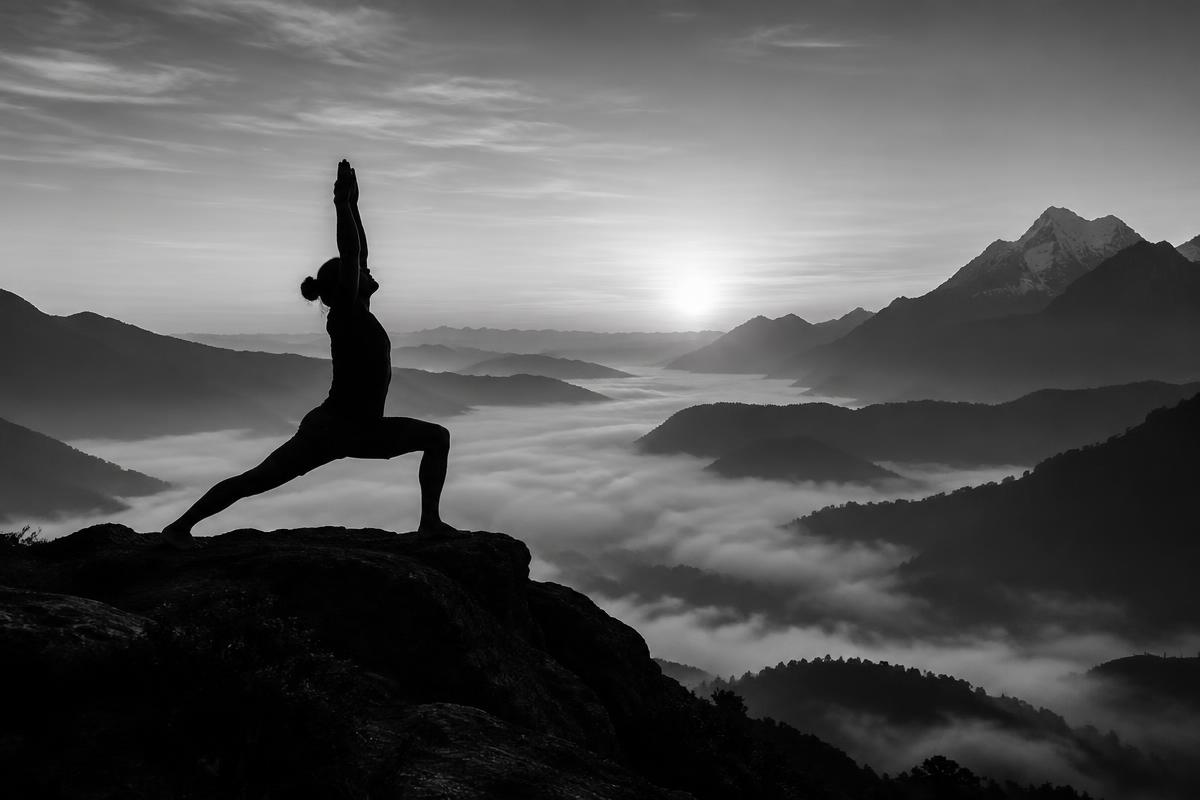
What Classical Hatha Yoga Actually Is
Hatha yoga is not stretching. It is a complete system for working with body, breath, energy and awareness.
Explore by topic
Teacher training
Yoga teacher training
200 vs 300 hours, real costs, Yoga Alliance explained, where to train — Rishikesh, Mysore, Bali and more — and facts-only school directories.
Open teacher training →
Mantra & japa
Mantra and mala practice
What mantra means in the texts, how to actually use a 108-bead mala, why 108, Om explained, the Gayatri and Mahamrityunjaya in context, and a daily japa practice.
Open the mantra section →
Mantra library
Mantras, one by one
Each mantra with its real source, a plain translation, traditional use and repetition count — and modern ones honestly marked as modern.
Browse the mantra library →
Practice calendar
Sunrise, brahma muhurta & the lunar day
Real computed astronomy for 28 cities: today's sunrise, the brahma muhurta window worked back from it, the lunar day and the nakshatra — with what the texts actually say about timing.
Open the practice calendar →
Mudras, honestly
Mudras
The two very different things called mudra — the body-wide seals of the classical texts and the hand gestures of ritual and modern practice — with the popular claims examined.
Open the mudra section →
Brahmacharya & sexual energy
Retention, honestly
What brahmacharya actually teaches, the research on abstinence and testosterone, ojas and bindu in the texts, transmutation as a real practice, and Taoist ejaculation control read critically.
Open the retention guides →

Kundalini & the subtle body
Kundalini
Where the idea comes from, the nadis, how it relates to the chakras, what reported experiences are and are not, and why the texts warn against chasing it.
Open the kundalini section →
Dinacharya
The Ayurvedic daily routine
The classical morning routine in order — tongue cleaning, water from a copper vessel, oil practices, eating rhythm and the evening wind-down — with the evidence stated plainly.
Open the daily routine →
Sanskrit, defined
Glossary
A small yoga wiki: om, namaste, shanti, drishti, savasana, mala and dozens more — what each word literally means, its other names, how the texts use it, and where modern usage drifts.
Open the glossary →
Sun, moon & planets
Astrology & yoga
A section of its own — jyotisha's real place beside yoga, Surya Kriya and the sun tradition, moon days, and honest boundaries on what the planets do and don't do.
Open the astrology section →
The practice library
Practices
6 categories — asana, pranayama, mudra, bandha, kriya and meditation — each cited from the classical texts.
Enter the practices →
The source texts
Texts
Hatha Yoga Pradipika, Yoga Sutras of Patanjali and Gheranda Samhita — chapter by chapter, with our commentary.
Read the texts →
Verse by verse
The verses themselves
Individual verses with transliteration, a plain translation, what they ask in practice, and how they get misquoted.
Read the verses →
The asana matrix
Asanas, mapped
Every posture in one filterable index — Sanskrit name and meaning, family, level, what it works on, what prepares it, what releases it, and where the classical texts name it.
Open the matrix →
Practice by goal
Where to start
Hand-written sequences for beginners, flexibility, lower-back comfort, morning practice and posture — each with a beginner and an intermediate version, honest cautions and what the evidence actually supports.
Choose a goal →
Technique by purpose
Breathing & pranayama
Hand-written guides to breathwork — starting safely, breathing for sleep, Nadi Shodhana, Bhramari, slow breathing and what the evidence actually supports.
Open the guides →
Timing & rhythm
How long, how often
How long to hold poses, how often to practise, whether ten minutes is enough, Savasana length and more — breath-led answers for real schedules.
Open the guides →
Equipment
Choosing a mat
Thickness, size, materials, sensitive knees and balance — honest mat guides without the sales fog.
Open the guides →
Source & scholarship
Classical texts, modern questions
What the Pradipika says about asana, what Patanjali meant by steady and comfortable, the eight limbs, mudras, longevity — textual evidence, history, tradition and modern research kept carefully apart.
Open the guides →
Deep rest
Yoga Nidra
Guided deep rest, lying down — a full beginner script, using it for sleep, how long and how often, sankalpa, NSDR compared, and the honest history of the practice.
Open the guides →
Scripts to read aloud
Yoga Nidra scripts
Complete scripts with the pauses marked — 10, 20 and 30 minutes, plus versions for sleep, anxiety and mornings, and a teacher's guide to writing your own.
Open the scripts →
Technique by technique
Pranayama library
Nadi shodhana, kapalabhati, ujjayi, bhastrika, sitali, the sun and moon breaths and the classical ratios — each with its source text, mechanics and cautions.
Open the pranayama library →
The lineage
Masters of the tradition
Babaji, Lahiri Mahasaya, Sri Yukteswar, Yogananda, Neem Karoli Baba, Ram Dass and Ramana Maharshi — history, teaching and legend, told honestly.
Meet the masters →
The tantric traditions
What is tantra?
Shaiva, Shakta and Buddhist tantra, the texts, mantra, yantra and kundalini — and how the classical tradition differs from modern neo-tantra.
Explore tantra →
The eight limbs & the Mysore method
Ashtanga yoga
Patanjali’s eight limbs, the primary and second series, Mysore-style practice, breath, bandha and drishti — history and practice, told honestly.
Explore Ashtanga →
Full moons, new moons & eclipses
Lunar calendar 2027
Every full and new moon of 2027 with exact US times, the August 2 total eclipse, Purnima festivals and a small practice for each month.
See the 2027 calendar →
Upanishads, Advaita & the Self
Vedanta
The Upanishads, Brahman and Atman, Advaita and its rivals, Shankara, Ramakrishna and Vivekananda — the philosophy at the summit of the Vedas.
Read the guides →
Lord Shiva, mantras & Kailash
Shiva & Kailash
Shiva's names, forms and symbols, Om Namah Shivaya, Maha Shivaratri, the Jyotirlingas and the Mount Kailash pilgrimage.
Read the guides →
Devi, Shakti & goddess temples
Divine Feminine
Durga, Kali, Lakshmi, Saraswati and the Mahavidyas, Navaratri, the Shakti Peethas and the great goddess temples.
Read the guides →
Hanuman Chalisa, mantras & story
Hanuman
Hanuman's life in the Ramayana, the Hanuman Chalisa meaning, his mantras, Hanuman Jayanti and his temples.
Read the guides →
The epic, the Gita & dharma
Mahabharata
The story of the Pandavas and Kauravas, Krishna and Arjuna, the Bhagavad Gita, Kurukshetra and the epic's lessons on dharma.
Read the guides →
Tao Te Ching, wu wei & the Way
Lao Tzu
Who Lao Tzu was, what the Tao Te Ching says, wu wei, yin and yang, the uncarved block and how the Way is lived.
Read the guides →
Patanjali's Vibhuti Pada
Siddhis
The yogic powers of the Yoga Sutras: the eight classical siddhis, how they are said to arise and why the masters warn against them.
Read the guides →
Tapas, routine & daily practice
Discipline
Tapas, brahmacharya, yama and niyama, dinacharya, mauna and brahma muhurta — how classical yoga builds a practice that lasts.
Read the guides →
Pancha bhuta & bhuta shuddhi
The five elements
Earth, water, fire, air and ether: the pancha bhuta, the elements and the chakras, and the practices said to cleanse and balance them.
Read the guides →
Ganesha story, mantras & murti
Ganesha
Ganesha's birth story, symbols, Om Gam Ganapataye Namaha, Ganesh Chaturthi and placing a murti at home.
Read the guides →
The Way & the Zen path
Taoism & Zen
The Tao Te Ching, Zhuangzi, wu wei and yin-yang; zazen, koans and the Zen masters — two rivers that met in China, explained honestly.
Explore Tao & Zen →
This vs that
Comparisons
Yoga vs pilates, hatha vs vinyasa, kriya vs kundalini, mindfulness vs meditation — what each practice actually is and who it suits.
See the comparisons →
The brow centre
Pineal gland & the third eye
What the gland actually does, what the texts say about ajna and bhrumadhya, why the two were merged in the twentieth century, and what the calcification claims are worth.
Read the guides →
Drinking water
Water quality & filters
Do you need a filter? What is in US tap water, which filter type removes what, how to read your water report, and where the traditional copper vessel fits in.
Open the water guides →
Eating & not eating
Fasting & practice
How long to leave after eating, which breathing suits an empty stomach, what Ekadashi and mitahara actually are, eating windows compared, and when not to fast at all.
Open the fasting guides →
Action & rebirth
Karma, rebirth & liberation
What karma means in the texts that use the word, the four kinds traditionally distinguished, samsara and moksha, karma yoga, and where karmic debt and past-life readings really came from.
Open the karma guides →
Fun, examined honestly
Ancient mysteries
Atlantis, the Anunnaki, vimanas, the Great Pyramid and the lost-civilisation hypothesis — what the original texts and evidence actually say, and what the internet added.
Open the mysteries →
By length
Routines, 5 to 30 minutes
Written-out breathing and meditation routines for stress, sleep, mornings and afternoon focus — each one minute by minute, with its source and its cautions.
Open the routines →
The locks
Bandhas
Mula, uddiyana and jalandhara bandha step by step, maha bandha, how the locks are used in pranayama, and an honest contraindication list.
Open the guides →
The daily sequence
Sun Salutation
All twelve positions breath by breath, a four-week beginner path, how many rounds make sense, the breath rule, the real twentieth-century history — and Surya Kriya and Surya Shakti compared honestly.
Open the guides →
Meditation for difficult times
When something has happened
Fourteen guides for the situations that actually bring people to practice — divorce, a breakup, grief, loneliness, panic, overthinking, anger, low mood, burnout, job loss, money worry, insomnia and chronic pain. One named practice each, written out.
Open the guides →
Pranayama by goal
Which breath for which problem
Ten guides that start from the goal, not the technique — anxiety, sleep, panic, focus, anger, blood pressure, asthma, low energy, breath control and a blocked nose. One named breathing practice each, with the counting and the cautions.
Open the guides →
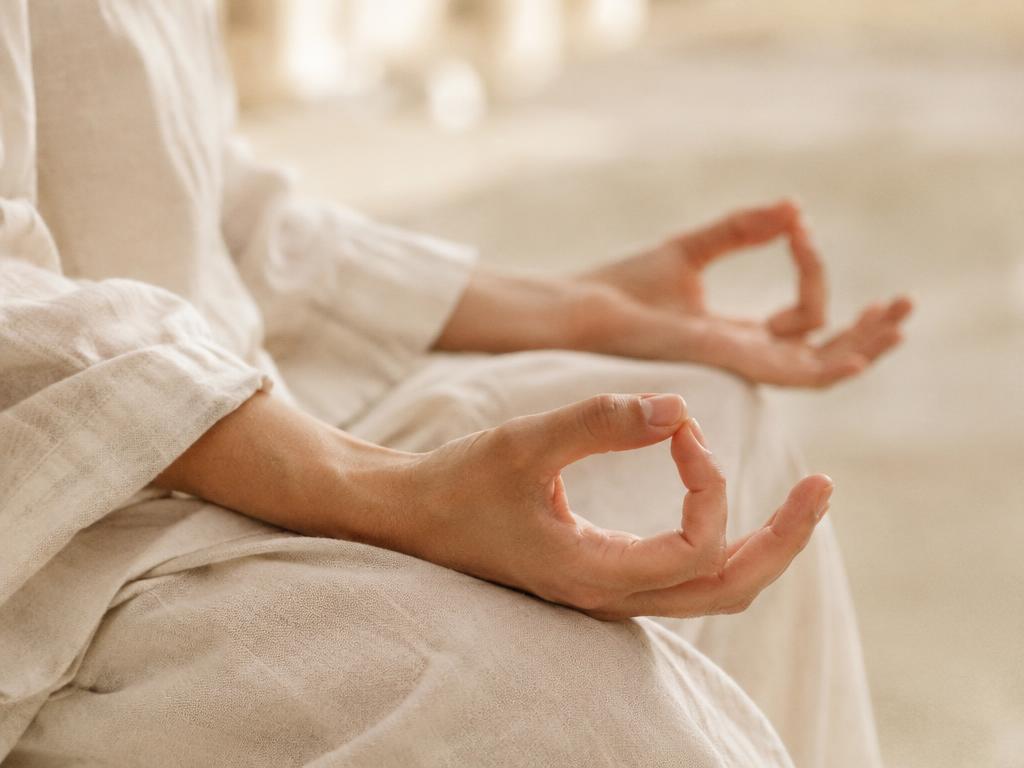
Mudras by goal
Mudras, honestly assessed
Ten guides to hand positions for anxiety, sleep, focus, digestion, grief, energy, headache and sitting practice — including plain answers on the weight-loss and healing-mudra claims that circulate online.
Open the guides →
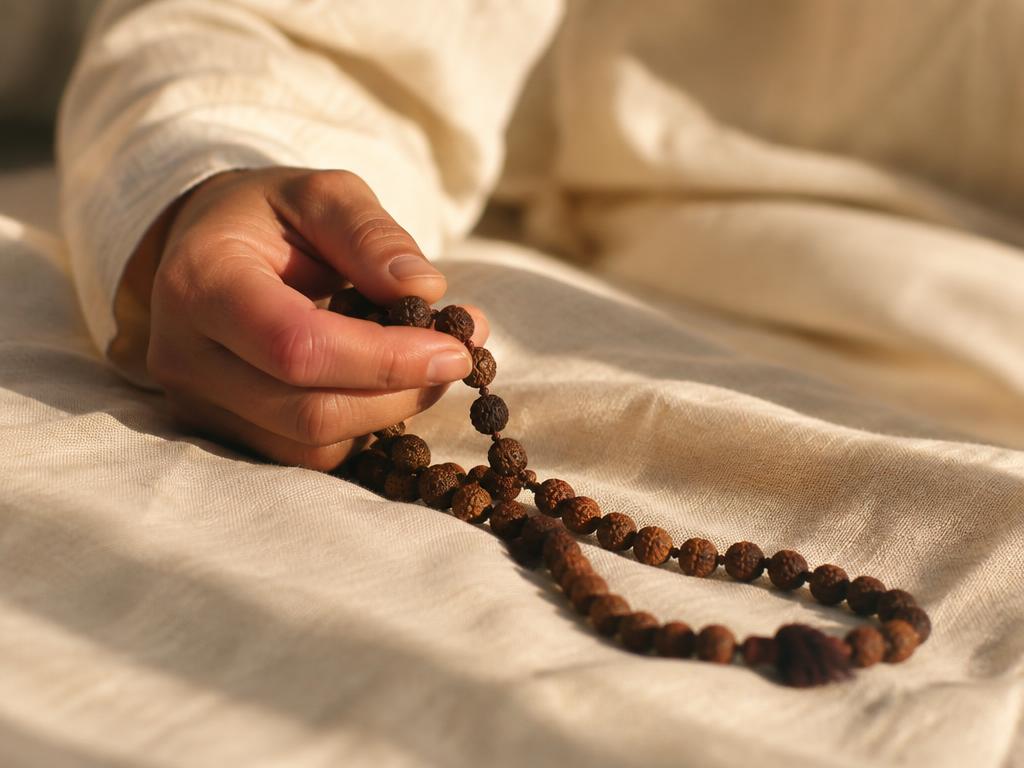
Mantras by goal
A mantra for the situation
Ten guides matching one mantra to one situation — anxiety, sleep, grief, anger, study, nerves, protection, beginnings, illness and a morning practice — with the Sanskrit, the literal meaning and the count.
Open the guides →
Stress and anxiety
When the mind won't settle
Careful, evidence-led guides: what practice can honestly offer an anxious system, an evening sequence, restorative shapes, the breathing that helps and the breathing that backfires, and where a doctor belongs in the picture.
Open the guides →
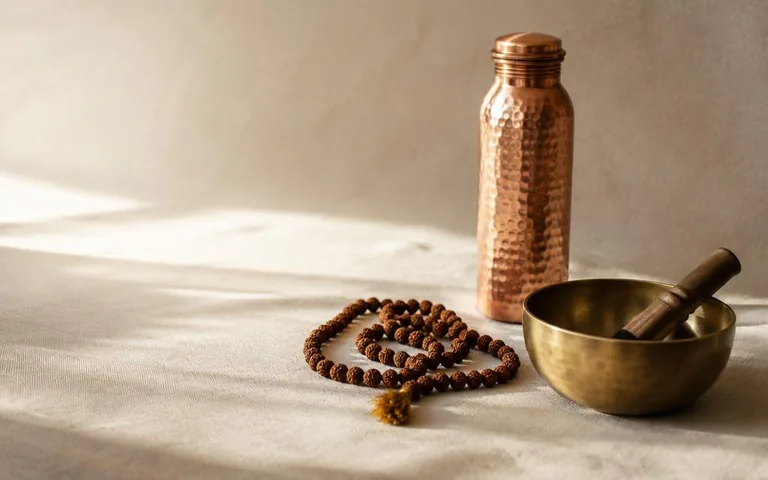
Practice essentials
Buy with discernment
Six focused collections on tongue scrapers, meditation cushions, copper bottles, rudraksha malas, TPE mats and singing bowls — materials, fit, use, care and honest evidence.
Open the buyer guides →
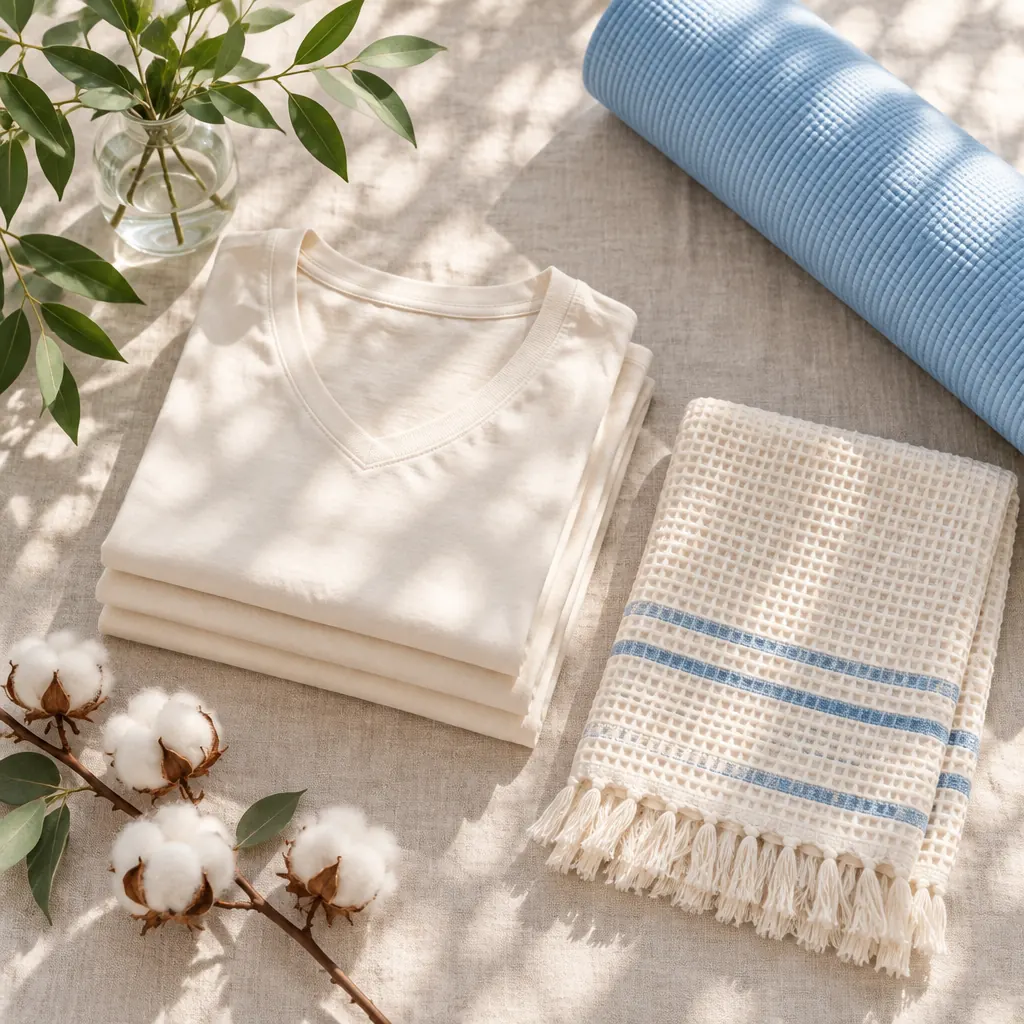
Fabric, sweat & the body
Cotton, polyester & health
Yoga clothes, sweat, skin, textile finishes, hormones, fertility and pregnancy—what human evidence supports, and where online claims run ahead of it.
Read the evidence-led guides →
Food and practice
Sattvic and pranic food
What the sources say, what modern pranic food lists mean, what to eat, and how to use the four-hour empty-stomach guideline without turning it into dogma.
Read the complete guide →
Begin here
What is Kriya Yoga?
Two different things share the name: Patanjali's threefold discipline in Yoga Sutra 2.1, and the initiatory breath lineage from Lahiri Mahasaya to Yogananda. Both explained, kept apart, with honest limits.
Read the explanation →
Subtle body & history
The 114 chakras, explained
The seven familiar centres, the 114-chakra teaching, locations, petals, seed sounds and colours — with classical texts, living lineage and modern interpretation kept clearly apart.
Read the complete guide →

Ritual objects, honestly
Copper, grounding & structured water
What grounding really means, why yogis have worn copper for centuries, and what 'structured water' claims do and don't say — no miracle promises.
Read the honest guide →
Practice outdoors
Birdwatching as meditation
Sustained, gentle, outward attention — dharana with feathers. How watching birds trains the same skill as the cushion, and a simple way to practise.
Read the practice →
Christmas & New Year
Gifts for yoga people
Mats, cushions, singing bowls, journals and cotton wear — thoughtful gift ideas for yoga and meditation people, organised by the person, not the price.
Read the gift guide →
Recommended reading
Books we genuinely recommend — the ones we hand to people who ask where to begin.
Swami Rama
Living with the Himalayan Masters
A modern classic on the living tradition — Swami Rama's account of the teachers who trained him, and what direct experience actually means.
Find the book →
Paramahansa Yogananda
Autobiography of a Yogi
The book that carried classical yoga and its lineage to the wider world — Yogananda's life story, and still the warmest doorway into the science of meditation.
Find the book →
Lao Tzu
Tao Te Ching
Stephen Mitchell's lucid translation of the eighty-one chapters on effortlessness and balance — not a yoga text, but the closest neighbour to the stillness the classical yoga books are aiming at.
Find the book →
trans. Brian Dana Akers — YogaVidya.com
The Hatha Yoga Pradipika
The text we cite most often — the Sanskrit with a clear, faithful English translation. YogaVidya has published the originals since 2001; this is where we send readers who want the source itself.
Find the book →
trans. Brian Dana Akers — YogaVidya.com
The Gheranda Samhita
The most practical of the classical manuals — the seven means to perfection, from purification to meditation, with the Sanskrit and translation side by side.
Find the book →
trans. Brian Dana Akers — YogaVidya.com
The Shiva Samhita
The classical text on the subtle body — nadis, chakras and kundalini — in the translation we rely on throughout our subtle-body guides.
Find the book →