
Foundations · 6 September 2026
What Classical Hatha Yoga Actually Is
Hatha yoga is not stretching. It is a complete system for working with body, breath, energy and awareness.
Written and reviewed by The Kriya Yogi · Updated 27 September 2026
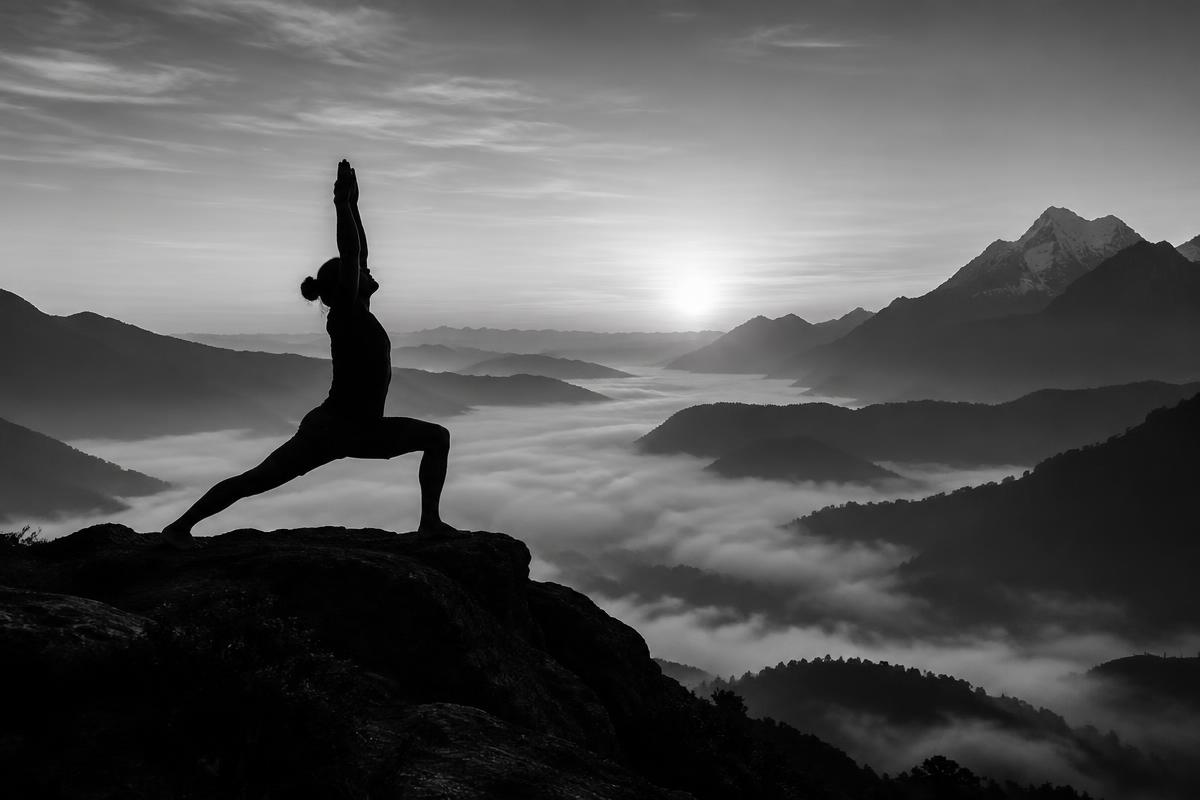
A complete system, not a workout
Classical hatha yoga begins with the body, because the body is the most tangible instrument a practitioner has to work with. But in the classical texts — chiefly the Hatha Yoga Pradipika, along with the Gheranda Samhita and Shiva Samhita — the body is treated as a doorway rather than a destination. These texts describe a sequence of work: purify, stabilize, refine, and only then sit for sustained meditation. Understood this way, hatha yoga looks very different from the posture-focused fitness practice that often carries its name today.
The word "hatha" itself is traditionally explained as a union of two forces — often glossed as sun and moon, or as the active and receptive currents in the body — brought into balance through disciplined practice. The texts are technical manuals aimed at that balance, not general wellness pamphlets, and reading them with that intent in mind changes how the individual techniques make sense.
The four layers of the system
The classical texts describe practice unfolding in roughly four layers, each preparing the ground for the next:
-
Body (asana). Steadiness and ease in a seated or standing posture, developed until the body stops demanding conscious attention. The Hatha Yoga Pradipika describes a relatively small number of postures compared to modern practice, several of them explicitly meditation seats rather than general exercises.
-
Breath (pranayama). Described as the bridge between the involuntary and the voluntary — the one automatic bodily process that can also be deliberately shaped. Classical pranayama techniques are paired closely with the physical purification practices (shatkarma) that precede them in the texts, on the premise that breath work is more effective, and safer, once the body has been prepared.
-
Energy (bandha and mudra). Locks and seals described as ways of directing and containing what the breath work has gathered. This layer is presented as more advanced and more precise than the earlier two, requiring the steadiness those stages are meant to build.
-
Awareness (dharana, dhyana). What all the preceding layers were preparing the practitioner for — sustained, then effortless, attention. This is the layer the earlier physical work exists to support, not a separate or optional add-on.
Why the order matters
The classical texts are notably practical about sequence, and this is one of the more overlooked aspects of the tradition. Sitting still for meditation is not treated as a beginner's task that anyone can simply do; it is presented as the result of a body and nervous system that are no longer restless. A practitioner who tries to sit for long meditation before the body has been settled through asana and pranayama is, in the framework of these texts, skipping steps rather than saving time.
This is part of why the shatkarma, the cleansing practices described early in several of the texts, receive so much attention before postures and breath are introduced in depth. The texts present the body as something to be prepared through this sequence, rather than something to be immediately transcended. Approached in the order the texts describe, hatha yoga is presented less as exercise and more as a gradual reorganization of the practitioner's physical and mental habits.
What the texts actually describe
It is worth being specific about what "classical hatha yoga" refers to, since the term is often used loosely. The Hatha Yoga Pradipika, compiled by Svatmarama and generally dated to somewhere around the 15th century by scholars including James Mallinson, is the best known of these manuals. It moves through posture, cleansing techniques, breath regulation, seals and locks, and finally the states of absorption these earlier stages are said to make possible. The Gheranda Samhita presents a parallel but distinct sevenfold structure, describing the body itself as a vessel to be strengthened through this same broad arc of cleansing, posture, seal, restraint, sense withdrawal, meditation, and absorption.
Reading these texts, translators such as Swami Muktibodhananda have emphasized how much of the material assumes a practitioner already living under fairly disciplined conditions — simple diet, a consistent daily schedule, minimal distraction — conditions that shaped how techniques originally described were meant to be practiced. This context matters for understanding why the texts move as deliberately as they do; they were not written for occasional practice fit around a busy modern schedule, even though many of their principles still translate usefully into one.
A practice for everyone
One thing the classical texts are notably insistent about is inclusivity of practitioner. The Hatha Yoga Pradipika states plainly that the practice is available to anyone diligent enough to pursue it, regardless of age, body type, gender, or life circumstance — a claim that stands out given how specialized and demanding some of the described techniques are. This suggests the texts saw hatha yoga less as a practice reserved for a narrow ascetic elite and more as a method that, in principle, anyone committed to steady effort could take up.
Taking the classical framework into modern practice
For a modern student, the practical takeaway is less about replicating every technique in the classical texts exactly and more about respecting the underlying logic of sequence: settle the body, then the breath, then the subtler layers of energy and attention, in that order, rather than reaching immediately for whichever technique looks most impressive. Approached this way, even a modest, modern practice can carry forward the actual structure the classical texts describe, rather than only borrowing their name.
Frequently asked questions
Is classical hatha yoga the same as the yoga taught in most studios today?
Not exactly. Many modern classes emphasize postures for fitness and flexibility, drawing on the asana layer of the classical system while giving much less attention to the cleansing practices, breath regulation, and meditative aims the original texts build toward.
What does "hatha" actually mean?
It is traditionally explained as referring to the union of two opposing forces within the practitioner, often described as sun and moon or active and receptive energies, brought into balance through disciplined practice.
Do I need to practice the shatkarma cleansing techniques to follow classical hatha yoga?
The classical texts present these as an important early stage, but many of the specific techniques are highly specialized and were traditionally taught under close personal guidance. Understanding their place in the sequence is valuable even for students who do not practice them directly.
Are the classical hatha yoga texts consistent with each other?
They share a broad structure — moving from body to breath to subtler energetic and meditative work — but differ in details, terminology, and specific technique. The Hatha Yoga Pradipika and Gheranda Samhita, for instance, organize their material differently even while pursuing similar aims.
Tags · hatha yoga · hatha yoga pradipika · foundations