The Kriya Yogi
Classical yoga as a complete system for body, breath, energy and awareness — drawn from the Hatha Yoga Pradipika, the Yoga Sutras and the Gheranda Samhita, in our own words. For everyone.
The shop
Practice products
A small, considered range of natural-material mats, singing bowls, malas and daily essentials — chosen for real practice. Free shipping, anywhere in the world.
The library
Practices
Every practice explained from the classical texts in our own words — the yogic view, what research shows, how to do it, and who should avoid it.
Posture
01Asana
Seats and shapes held until the body stops asking for attention. In the classical texts asana is a small, practical set — steadiness first, range later.
Breath and energy
02Pranayama
The deliberate regulation of breath: lengthening, balancing and retaining it. The texts treat breath and mind as one system.
Seals
03Mudra
Whole-body gestures that contain and direct energy rather than spend it. The widest classical catalogue is in the Gheranda Samhita.
Locks
04Bandha
Three precise internal locks — root, abdomen and throat — used to hold pressure and attention during breath work.
Cleansing acts
05Kriya
The shatkarma: washing, kindling, churning and gazing. Preparatory practices that clear the passages the breath moves through.
Concentration and absorption
06Meditation
Withdrawal of the senses, concentration, meditation and absorption — the inner limbs as Patanjali sets them out.
Each page cites its chapter and verse and links to our commentary on the classical texts.
The breath you slow is the life you lengthen
The classical texts treated longevity as a breath practice: slow the breath, steady the mind, and the body's own rhythms follow. Modern longevity science, arriving by a different road, keeps pointing at the same levers — breathing rate, heart-rate variability, stress load, and the fitness of the heart and lungs.
The classical view
The Hatha Yoga Pradipika treats the breath and the mind as one current: when the breath is steadied, the mind steadies, and the life force — prana — is conserved rather than spent. Classical yoga and meditation approach that conservation as a sustained discipline, practised for decades, not weekends.
What research suggests
Slow, deliberate breathing is associated in studies with calmer nervous-system activity, better heart-rate variability and lower markers of stress — all factors researchers connect to healthy ageing. The evidence is promising, not final: we report what studies show, and we never promise outcomes.
Nothing here is medical advice. Longevity claims in the classical tradition and in modern research are presented as perspectives, not guarantees.
Latest writing
View all posts
Longevity20 September 2026
Yoga for Longevity: What Breath, Movement, and the Evidence Really Tell Us
Can yoga help us age well? A careful look at slow breathing, movement, stress, sleep, and one founder’s striking—but limited—biological-age result.
Oral care20 September 2026
Tongue Scraping: What It Does, What the Evidence Says, and How to Do It Safely
A careful guide to tongue scraping, oral freshness, tongue coating and safe technique—separating plausible benefits from claims the research does not support.
Practice18 September 2026
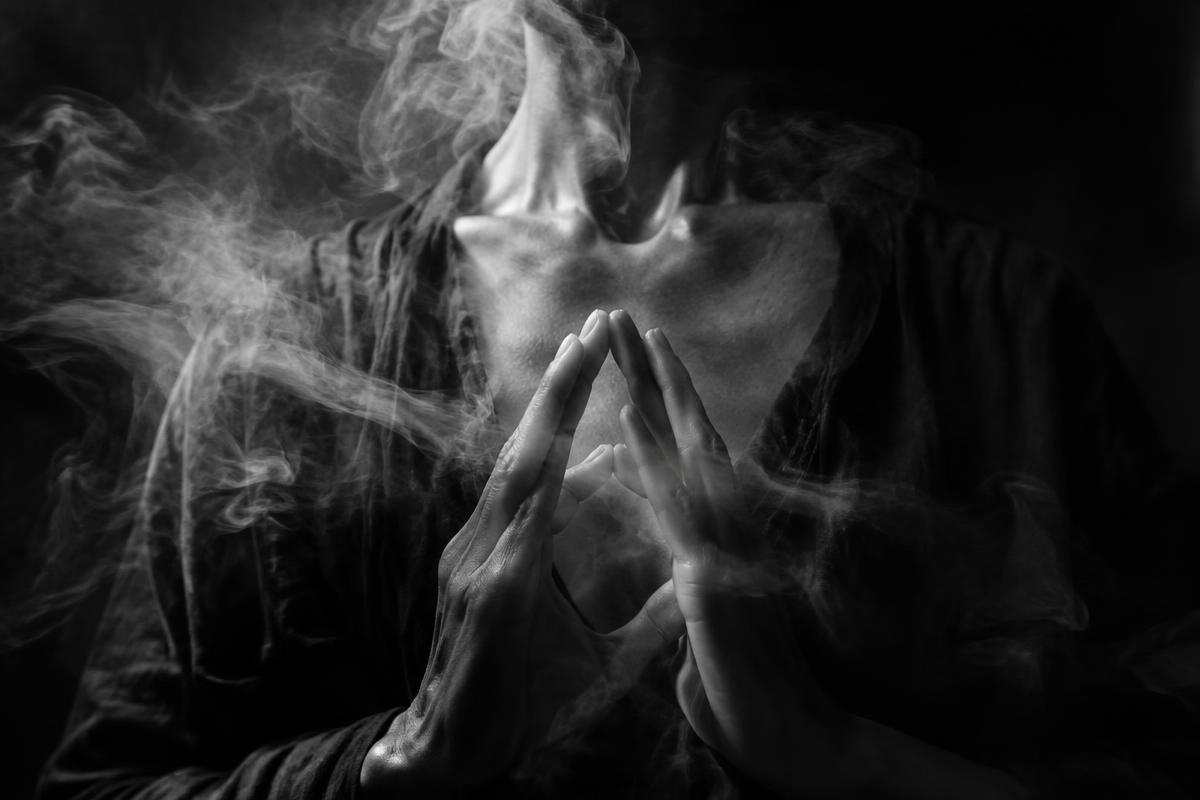
Beginning Pranayama Without Forcing the Breath
The Gheranda Samhita is careful about how breath practice begins. Here is what that caution is protecting.
Coming soon
Explore by city
Find classical yoga practice, teachers and communities city by city.